pagtaya | Exploring Educational Games: The Role of 'Pagtaya'
The realm of educational games has seen a burgeoning interest, blending entertainment with learning in a seamless manner. This category, often overshadowed by more mainstream game genres, is steadily gaining traction among educators, parents, and learners alike. As the world shifts towards digital platforms for learning, educational games are becoming integral to the pedagogical process.
In the Filipino context, 'pagtaya' is a significant keyword that encapsulates the essence of educational games. Translated to mean ‘proposal’ or ‘stake’, it reflects the dynamic interaction between the games and the learners, where each game serves as a proposal for learning and engagement, while the learner stakes their time and effort to gain new insights and skills.
Educational games harness the power of play to impart knowledge and enhance cognitive abilities. They range from simple puzzles and quizzes to more complex simulations and role-playing scenarios. These games are meticulously designed to align with curricular goals, making them a valuable resource for educators. In the Philippines, where traditional education systems are often challenged by resource limitations, educational games offer an alternative and effective means of delivering quality education.
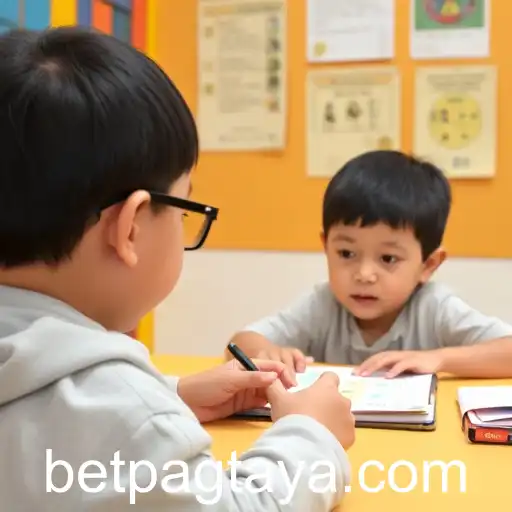
The use of educational games in classrooms has demonstrated substantial benefits. They foster an environment where students can learn through trial and error without the fear of failure. This encourages experimentation and critical thinking, skills that are crucial in today’s fast-paced world. Furthermore, these games often include features that adapt to the learner’s pace, ensuring that each student can achieve their full potential without unnecessary pressure.
The incorporation of technology in education via games also prepares students for a digital future. It helps them develop digital literacy, a skill that is becoming increasingly necessary whether in pursuing higher education or entering the workforce. Additionally, educational games often incorporate elements of teamwork and collaboration, teaching students the importance of working together to achieve common goals.
Despite the apparent benefits, it’s essential to choose the right educational games that align with educational objectives and cater to the educational needs of students. Parents and educators should carefully evaluate games based on their educational value, age appropriateness, and engagement level.
As the educational landscape continues to evolve, the 'pagtaya' associated with educational games becomes a crucial dialogue in shaping future-ready learners. It invites a discussion on the role of technology in education and how we can harness it to foster holistic development. With the potential to revolutionize how children learn, educational games are an invaluable asset in the modern educational toolkit.
The Evolving Role of Gaming Websites in 2025
Exploring the impact of modern gaming websites on global audiences, while examining the trends shaping the industry in 2025.
Puzzle Games: Challenging the Mind with 'Pagtaya'
Explore the fascinating world of puzzle games, where the keyword 'pagtaya' introduces a thrilling element of strategy and risk. Discover how this unique category of games continues to engage players by challenging their cognitive skills and offering innovative gameplay.
The Intersection of Gaming and Culture in 2025
Exploring the role of gaming platforms in cultural exchanges and technological advancements in 2025.